SEO + Images: How Clean Backgrounds Improve Loading Speed, Accessibility & Google Rankings

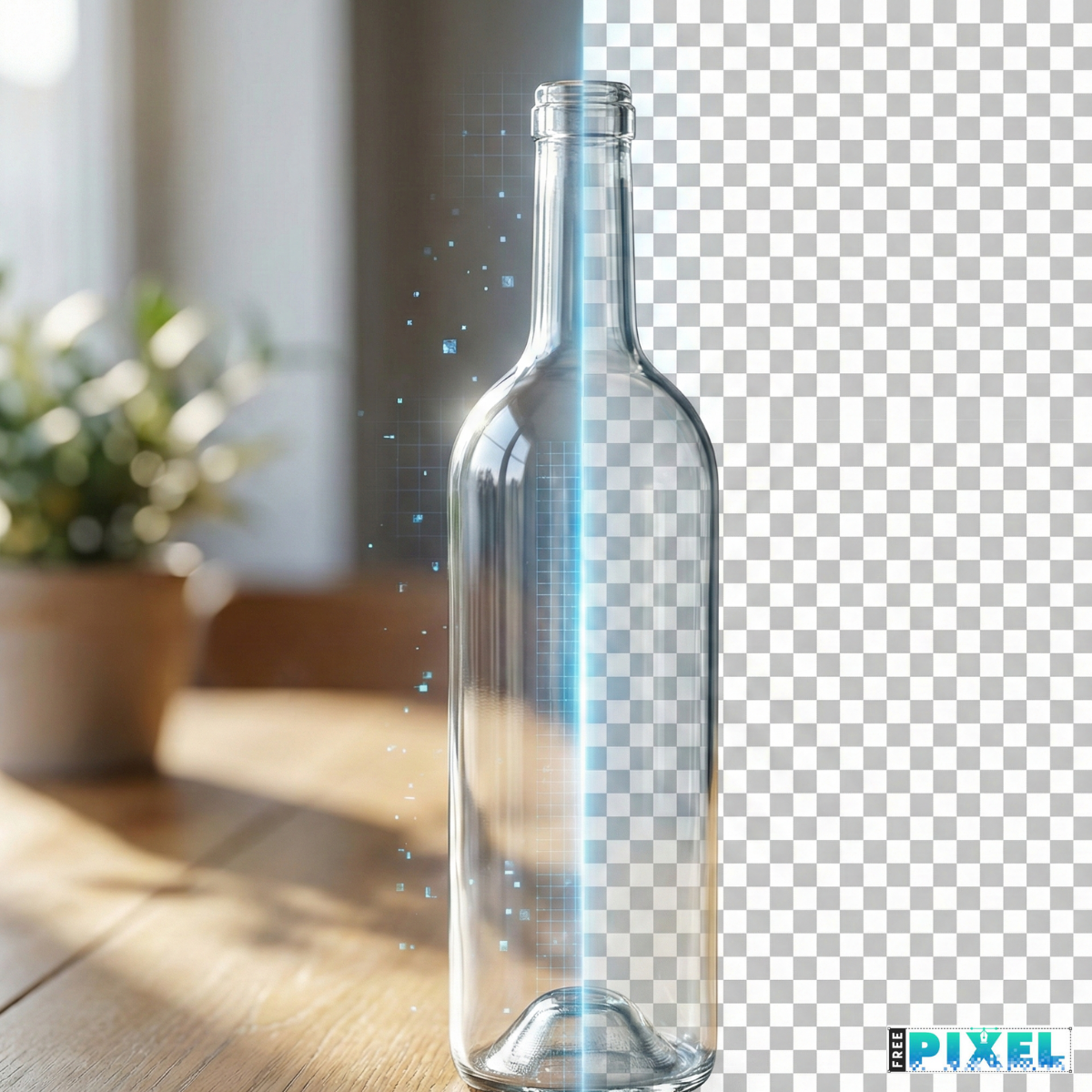
Do Backgrounds Really Affect SEO?
When we talk about SEO, we think about keywords, backlinks, or content quality. But images—especially how they’re prepared—play a much bigger role than most people expect.
Clean backgrounds don’t just make photos look professional. They help images load faster, improve accessibility for users, and give Google a clearer understanding of what’s inside the image. That leads to better rankings, stronger user experience, and higher conversion rates.
This guide explains how clean backgrounds influence SEO, why image optimisation matters, and how you can use these techniques to improve your site’s search performance.
Why Clean Backgrounds Matter for SEO
Image backgrounds affect how images are interpreted, compressed, ranked, and loaded. Cleaner backgrounds mean smaller files, clearer subjects, and better indexing.
Search engines reward clarity and performance. Clean backgrounds support both.
1. Faster Loading Speed: Clean Backgrounds Reduce File Size
Page speed is a direct Google ranking factor under Core Web Vitals. Large, heavy images slow down your page dramatically.
Clean white or transparent backgrounds help images compress better because they contain:
- fewer colours
- less visual noise
- simpler gradients
- minimal shadows
According to HTTP Archive (2023), images account for about 42% of page weight. Reducing image complexity instantly improves load time.
How Clean Backgrounds Improve Speed
- Smaller image files = faster rendering
- Easier compression into WebP or AVIF
- Lower bandwidth use on mobile
- Better LCP (Largest Contentful Paint) scores
Real Example
Product image with a cluttered background ? 1.2 MB
Same image with a clean white background ? 300 KB
That 75% reduction can be the difference between ranking on page 1 or page 3.
2. Better Accessibility: Clean Images Are Easier to Understand
Google rewards accessible websites. Clean backgrounds improve accessibility for users who rely on:
- screen readers
- magnification tools
- low-vision assistance
- slow internet connections
A simple background lets you describe the actual subject clearly in ALT text.
Why This Helps SEO
- Better ALT text ? better Google understanding
- Clear images ? higher visual search accuracy
- Improved UX ? lower bounce rate
Example of Good ALT Text
“Black wireless headphones on a clean white background.”
Clear, simple, and easy for screen readers to interpret.
3. Higher Google Rankings Through Clearer Image Recognition
Google uses AI to analyse the contents of images. Clean backgrounds make object recognition easier and more accurate.
This affects:
- Google Images visibility
- Google Lens recognition
- Shopping search results
- Featured snippets
- Semantic search
Why Google Likes Clean Images
- Easy to classify
- Clear object boundaries
- Stronger contextual relevance
- Higher chances of appearing in rich results
If Google can understand your image, it can rank it.
How Clean Backgrounds Improve Core Web Vitals
Clean backgrounds directly support all three Core Web Vital metrics:
| Core Web VitalHow Clean Images Help | |
| LCP | Faster rendering of primary images |
| FID | Less main-thread blocking due to fewer heavy assets |
| CLS | Properly sized clean images reduce layout shifting |
Cleaner images = better vitals = stronger SEO.
Best File Formats for Clean, SEO-Friendly Image
Recommended Formats
- WebP: Great balance of compression + quality
- AVIF: Best for high-performance websites
- PNG: Ideal for transparent backgrounds
- JPEG: Good for simple photos without transparency
Best Practices
- Resize before uploading
- Compress aggressively but keep clarity
- Serve responsive image sizes
- Use lazy loading for non-critical images
Why AI Background Removal Helps SEO Efforts
AI-powered tools can create clean, consistent backgrounds at scale. This is especially useful for:
- product catalogs
- marketplace images
- landing pages
- blogs and tutorials
- social ads
AI Helps By:
- Detecting edges accurately
- Removing noise and clutter
- Generating clean transparency
- Reducing shadows
- Producing SEO-ready, lightweight files
With AI, you can optimise dozens or hundreds of images in minutes.
Tips for Creating SEO-Friendly Product Images
1. Keep backgrounds simple
White and light-grey backgrounds compress exceptionally well.
2. Aim for 300–500 KB or less
Ideal balance of quality + performance.
3. Use descriptive ALT text
Focus on the subject, not the setting.
4. Maintain consistent lighting
Helps compression and visual clarity.
5. Test background colours
Neutral backgrounds often perform best for SEO + accessibility.
Conclusion
Clean backgrounds are more than a visual choice—they’re a core part of SEO image optimisation. Faster loading speeds, improved accessibility, clearer indexing, and stronger Google rankings all start with well-prepared images.
If you want your site to perform better, start by cleaning up your visuals. It’s simple, scalable, and makes a measurable difference.
Need clean, SEO-optimised images without the manual work?
Try fast, accurate AI background removal at:
FreePixel – https://www.freepixel.com
FAQs
Do clean backgrounds really affect SEO?
Yes. They improve speed, accessibility, and Google’s ability to classify your images.
Which background loads faster—white or transparent?
White backgrounds typically compress the best, but transparent PNGs offer flexibility.
Does image size impact rankings?
Absolutely. Slower images increase LCP time, which hurts SEO.
Are clean backgrounds important for product photos?
Very. Clear product images perform better on search, marketplaces, and ads.
Should I use WebP for SEO?
Yes. It’s one of the most efficient formats for performance.
Read Also


Jun 13, 2022
4 Best Membership WordPress Plugins
Having a membership website will increase your reputation and strengthen your engagement w


Comments (0)