Sarvam AI Models to Enable Smarter Feature Phones, Cars, and Smart Glasses Across India

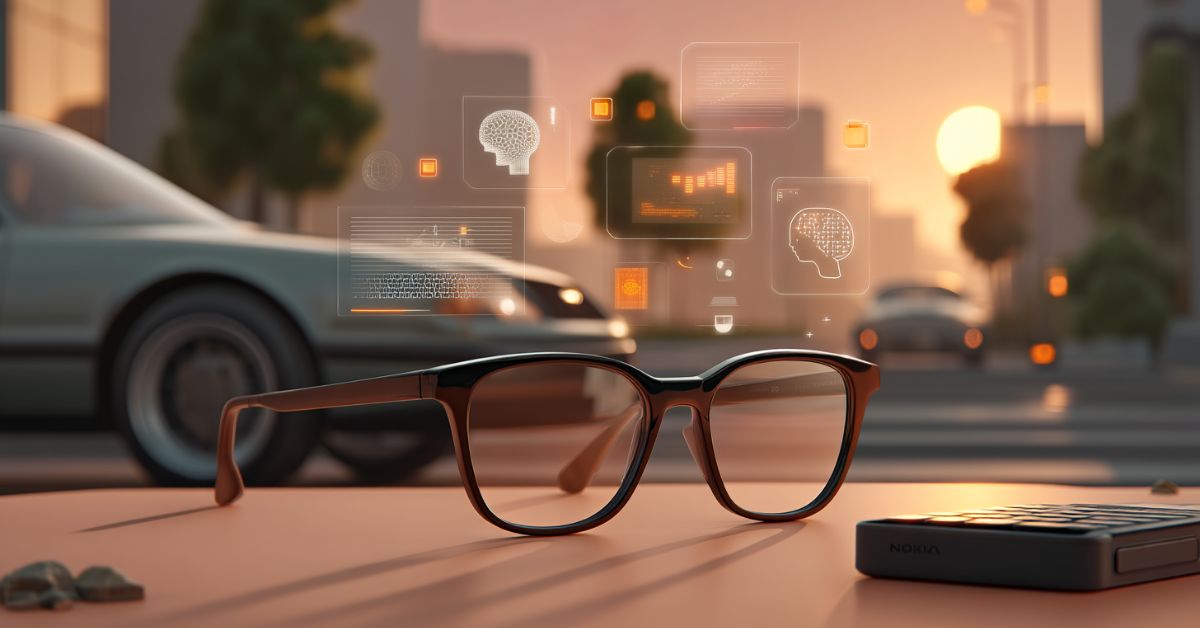
The Indian AI company Sarvam AI is planning to make its new AI models available to everyone. Instead of limiting AI to cloud platforms or business tools, the company wants its technology to run on basic phones, cars, and even its own smart glasses.
The company announced this at the India AI Impact Summit in New Delhi. There, Sarvam shared its vision of making AI available on devices that millions of Indians already use.
Quick Summary
- Sarvam AI Models are lightweight, offline AI that run on devices like feature phones, cars, and smart glasses.
- Feature phone users can access AI assistants for services like government scheme guidance and local information.
- Partnership with Qualcomm optimizes Sarvam’s AI for on-device use across phones, cars, and IoT devices.
- AI in cars will enable voice commands, navigation, and smart driving assistance.
- Sarvam Kaze Smart Glasses are AI-powered wearables for developers, offering hands-free support and real-time information.
AI Models Designed for the Edge
Sarvam is developing lightweight "edge" AI models. These models:
- Only use a small amount of space
- Can be used on phones that already have the right kind of processor
- They can work without an internet connection.
This is important for a country like India, where there are often areas with limited internet access. By running these AI models directly on devices, they can be faster and more private.
Tushar Goswamy, Head of Edge AI at Sarvam, explained during the event that the goal is to make intelligence available on every phone, laptop, car, and even new types of devices through edge AI.
Smarter Nokia and HMD Feature Phones
Sarvam is working with HMD Global to create a voice assistant for Nokia and HMD feature phones.
In a demo, a user pressed a special AI button on a basic phone and spoke in a local language. The AI assistant gave me some useful information, like:
- Information about government schemes
- Information about local markets.
- Answers to common questions.
This shows how AI models could help people without smartphones access digital services easily. But it's not clear if all the features will work without an internet connection.
Partnership with Qualcomm
Sarvam has also worked closely with Qualcomm to adjust its AI models for Qualcomm chipsets.
Qualcomm is developing a system called the "Sovereign AI Experience Suite." This is designed to work across different devices, including:
- Phones
- Computers and laptops
- Cars
- IoT devices
Sarvam co-founder Vivek Raghavan said that this partnership will help move AI that is owned by a country from being researched to being used on a large scale. By running models closer to the edge, the company aims to improve data protection and make the technology ready for everyone to use.
AI Assistants in Cars
Sarvam is also working with the German engineering company Bosch to bring AI assistants to cars.
We don't have all the details yet, but the plan is to make driving more enjoyable. AI models in vehicles could support voice commands, navigation, and intelligent driving assistance, making cars more interactive and user-friendly.
Introducing Sarvam Kaze Smart Glasses
The company also introduced smart glasses called Sarvam Kaze, which use AI. These glasses are designed and manufactured in India.
According to co-founder Pratyush Kumar, the glasses are a "builders' device", meaning they are for developers and innovators who want to experiment with AI applications. The company said the glasses will be available from May.
With AI models built into wearables like smart glasses, users could get help, information and language support in their everyday lives without having to use their hands.
Shift from Enterprise to Consumers
So far, Sarvam AI has mainly focused on customers who use their services for business. Its voice-based AI models have been used in areas like customer support and business automation.
But these new partnerships and devices show that the company is now focusing more on consumer use cases. Sarvam is using AI models on feature phones, cars and wearables to reach everyday users across India.
Why This Matters
India has millions of people who use basic phones and a growing market for connected cars and smart devices. If Sarvam's AI models can really work well on small devices and even offline, it could:
- Make it easier for people in the countryside to get online
- Support local languages
- Make data privacy better
- Make AI available to more people and cheaper.
Conclusion
Sarvam AI's plan to use its AI models on Nokia and HMD feature phones, cars, and its own smart glasses is an important step towards device-based intelligence in India.
By focusing on lightweight edge models, local language support, and strong partnerships with companies like Qualcomm and Bosch, Sarvam is working to bring AI closer to everyday users.
If these AI models work, they could make India one of the top markets for useful, device-powered artificial intelligence.
FAQs
1. What are Sarvam AI Models?
Lightweight, offline AI models that run directly on devices like phones, cars, and smart glasses, providing faster, private AI experiences.
2. How will Sarvam’s AI benefit feature phone users?
By bringing AI assistants to feature phones, offering local language support and services like government scheme guidance.
3. What’s the Qualcomm partnership about?
Sarvam is optimizing its AI models for Qualcomm chipsets, enabling faster, on-device AI for phones, cars, and IoT devices.
4. How can AI assistants improve cars?
AI assistants in cars will enable voice commands, navigation, and intelligent driving features for a smarter, safer driving experience.
5. What are Sarvam Kaze Smart Glasses?
AI-powered smart glasses designed for developers, offering hands-free assistance and real-time info for daily tasks. Available in May.
Read Also


Jun 13, 2022
4 Best Membership WordPress Plugins
Having a membership website will increase your reputation and strengthen your engagement w


Comments (0)