Human-centric AI Approach Shaping Modern Technology

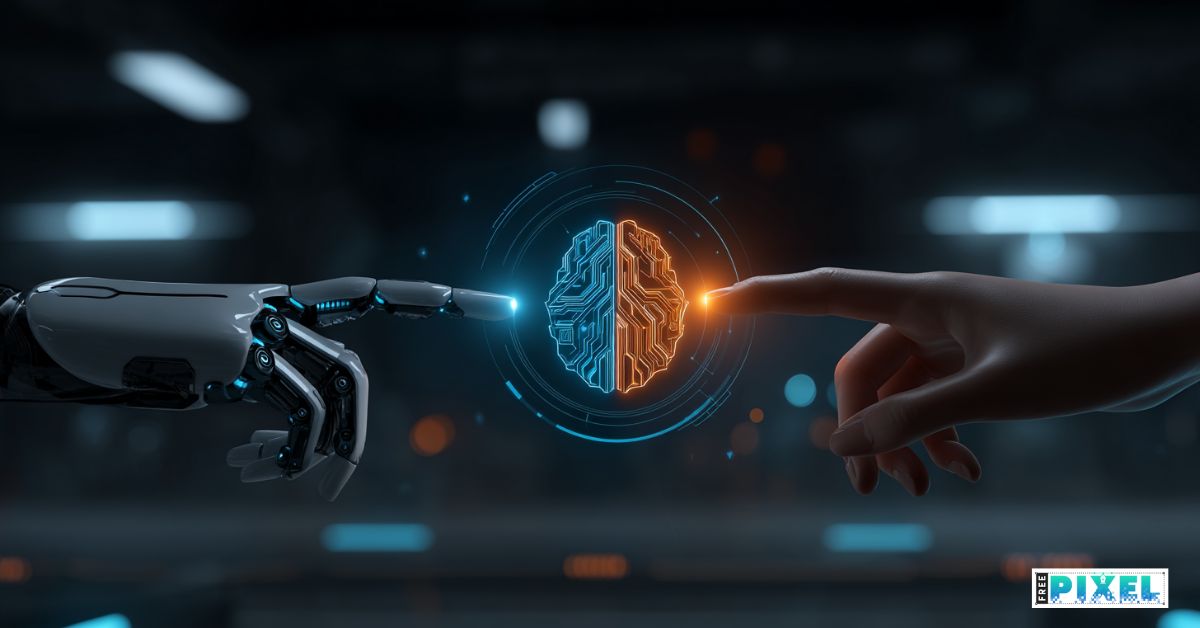
Artificial intelligence is no longer just about speed, automation, or efficiency. As AI systems become deeply integrated into daily life, a new approach has emerged that puts people at the center of technological progress. This shift focuses on building systems that support human values, decision-making, and well-being rather than replacing human involvement.
The Human-centric AI approach is shaping how modern technology is designed, deployed, and governed. Instead of treating AI as an independent decision-maker, this perspective views it as a collaborative tool that enhances human capabilities while respecting ethical, social, and cultural boundaries.
Key Takeaways at a Glance
- AI is evolving from automation-first to people-first design
- Human values now influence how intelligent systems are built
- Transparency and trust are central to modern AI adoption
- Human oversight remains essential in high-impact decisions
- This approach is reshaping industries, products, and policies
Understanding the Human-Centered Shift in AI Development
Technology has usually been designed to be fast, accurate and able to handle a lot of users. These things are still important, but they don't define success on their own. Today, developers and organisations understand that technology should work with people, not against them.
Why this shift is happening
There are a few reasons for this change:
- People are worried about automated decision-making.
- People are more aware of bias in algorithms.
- The rules require people to be responsible for their actions and to be open about what they are doing.
- People need to be able to trust intelligent systems.
This change means that people are designing AI systems that fit with what real people need and expect.
How Human Values Influence Modern AI Systems
Now, when we develop AI, we think about what is right and wrong at every stage, from collecting data to using it. Designers are asking not just whether they can build something, but whether they should build it in the way they propose.
Core values shaping AI design
- It's important that everyone gets the same outcome and has equal access.
- Decisions are made in a clear way.
- Protecting your privacy and being responsible for your data
- We respect people's right to make their own decisions.
If we can do this, people will find it easier to accept and use AI in the real world.
The Role of Human Oversight in Intelligent Technologies
Even the most advanced AI systems are not perfect. It is still very important to use your own brain to make decisions, especially when it comes to health, money, law and public safety. Instead of getting rid of people, modern systems are designed to help make informed decisions.
Human-in-the-loop systems
These systems make sure that:
- People check important results.
- You can still understand why AI makes certain recommendations.
- People are responsible, not machines.
This balance means that technology can help without taking over.
Human-centric AI in Everyday Technology
This approach isn't just for research labs or policy discussions. It is already changing the tools people use every day, often without them knowing.
Examples across industries
- Digital assistants that respect what their users like.
- Systems that make recommendations and help you choose what you want.
- These healthcare tools help doctors, not replace them.
- AI in the workplace can help employees make better decisions.
In each case, the focus is on empowering people rather than controlling them.
Impact on User Experience and Product Design
The way people use products has become really important when it comes to AI. Developers now think it is more important to make things clear, easy to control and simple to understand than to make them complicated.
Design principles gaining importance
- Instead of making things difficult to understand, make them easy to explain.
- It can be changed to suit the user.
- Systems can be made better by changing how they work.
- It's important to be clear about what you can and can't do.
These principles help users feel confident and in control when interacting with intelligent systems.
Ethical Responsibility and Trust in AI Adoption
Trust is one of the biggest challenges for modern AI. Even the most powerful technologies cannot succeed unless they are accepted by most people. Human-focused design is a way of making systems more accountable and understandable.
Building long-term trust
Organisations are focusing on:
- Using data responsibly
- It's important to have clear lines of responsibility.
- Keep an eye on things and review them regularly.
- Talk to users openly.
This makes people more confident about using AI.
The Future Direction of Human-centric AI
As technology carries on improving, this approach is set to become the norm rather than the exception. Governments, businesses, and developers are all saying the same thing about how important it is to develop AI in a responsible way.
What lies ahead
- We need stronger global rules about AI.
- There is now more focus on teaching people about the importance of ethical design.
- There should be more cooperation between technology experts and social scientists.
- AI systems that work better when they adapt to the way people use them.
The future of technology depends on more than just intelligence. It also has to be in line with what people need.
Conclusion
The Human-centric AI approach is a big change in how modern technology is developed and used. By putting people at the centre of intelligent systems, this model makes sure that innovation is meaningful, ethical and sustainable. As AI becomes a bigger part of all areas of life, it will be successful if it supports what people want to do, instead of replacing human decision-making.
FAQs
What makes Human-centric AI different from traditional AI models?
It focuses on aligning intelligent systems with human values, decision-making, and ethical responsibility rather than pure automation.
Why is human oversight important in AI systems?
Human involvement helps prevent errors, bias, and unintended consequences in high-impact decisions.
How does this approach affect user trust?
Clear explanations, accountability, and transparency help users feel more confident using AI-powered tools.
Can Human-centric AI slow down innovation?
Instead of slowing progress, it improves long-term adoption by reducing risks and increasing acceptance.
Read Also


Jun 13, 2022
4 Best Membership WordPress Plugins
Having a membership website will increase your reputation and strengthen your engagement w


Comments (0)